Back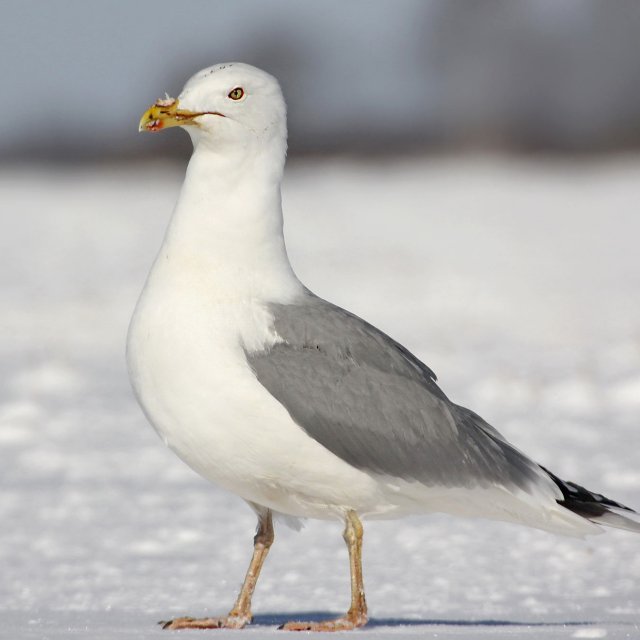

The European herring gull/Larus argentatus
27.
European herring gull flocks have a loose pecking order, based on size, aggressiveness and physical strength. Adult males are usually dominant over females and juveniles in feeding and boundary disputes, whilst adult females are typically dominant when selecting nest sites.
Unlike many flocking birds, European herring gulls do not engage in social grooming and keep physical contact between individuals to a minimum. Outside the male/female and parent/chick relationship, each gull attempts to maintain a respectful 'safe distance' from others of its kind.